
What Licensing Art retailers are actually looking for (according to a real buyer!)
Sep 29, 2026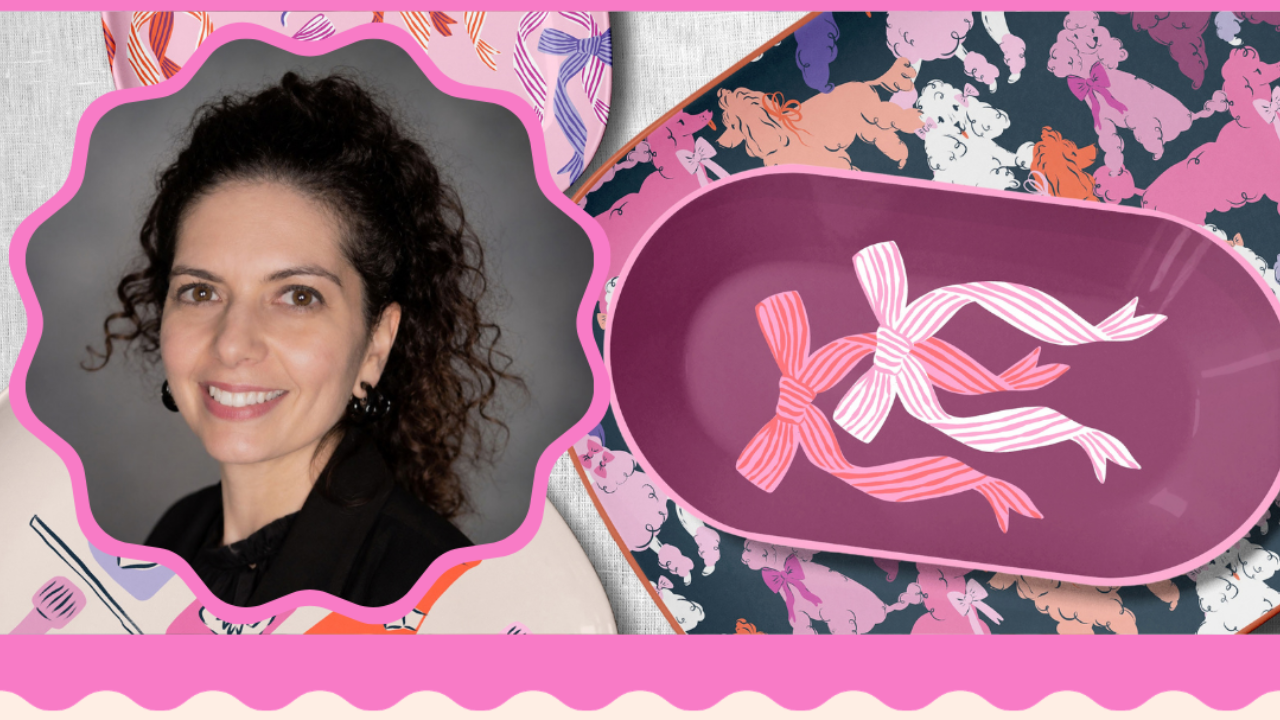
Anna Israel is a design consultant and retail trend analyst specializing in home décor, textiles, and giftable consumer goods. With 15 years of experience in textile surface design, she has partnered with manufacturers and retailers to identify emerging trends and create compelling product collections that resonate with today's consumers. Her expertise spans trend forecasting, merchandising strategy, product development, and design for mass production.
The Biggest Misconceptions Artists Have About Retail Buyers
- Myth: The retail buyer is the first person who will review your design portfolio and is the main decision maker on your artwork.
Reality: Retail buyers are usually some of the last people who will see and decide about your artwork on a product.
The first people that will see your artwork have titles like Designer, Creative Director, Licensing Manager, VP of Sales. These individuals work for suppliers (also known as wholesalers or importers) who are selling to retail buyers. Each of these suppliers offering a curated assortment of products and making their own decisions about what trends and designs they want to stand behind and present to a buyer.
In corporate environments, most decisions are made collectively by a team, so many people will need to sign off on your artwork throughout various steps the development process.
- Myth: Retail buying is a highly creative job, where the main buying consideration is the design or artwork.
Reality: Retail buyers are balancing a variety of factors when making decisions for their product line, and beautiful artwork alone is not enough to make them say yes.
Some of the biggest decisions that buyers need to make are financial and operation. Buyers are asking “Will this design increase sales and can it be produced at our target cost?” Other merchandising considerations revolve around customer strategy. An artwork can look great, but buyers will ask “Will our customers love this artwork? Does it fill a void in their assortment?”
Designs that satisfy these buying concerns will be selected more often than the most “beautiful” artwork.
- Myth: Retail buyers are looking for the most original artwork for their product lines.
Reality: Buyers are looking for artwork that is relevant to their product, season and customer, more so than the most original artwork. Designs need to be appropriate for the shopper and be familiar enough to be commercially successful, with a fresh twist to excite the customer. The most successful collections expand on the current trends rather than reinvent them completely.
- Myth: The best way to present my designs to buyers is to show the artwork repeats.
Reality: Buyers are purchasing products, not artwork that goes on the product, so an isolated repeat design may be hard for them to visual on a product. The same is true for the salesperson at a supplier team who is trying to sell your artwork to their customer, the retail buyer. Create product mockups showing how your artwork will look on a product to help make things easier to understand. This gives salespeople a better tool to share with their buyers and help buyers visualize how your artwork looks on a product and therefore, how it can fit within their product assortment.
- Myth: Buyers have a lot of time to review design options.
Reality: Buyers (both retail and wholesale teams utilizing licensed artwork) are spread extremely thin between a large volume of emails, back to meetings, and sample, product line, and financial report reviews.
For this reason, artwork must communicate its relevance to the buyer right away to get their attention. Presentations should be straightforward and easy to follow. For the same reasons, your communications should also be clear and simple to understand, to make it easier for your buyer to work with you.
- Myth: If my artwork isn’t selected, that means the buyers didn’t like it.
Reality: There are many reasons why an artwork might not have made the cut. The timing could be off – a buying initiative could be delayed, or the assortment could have already been finalized when you presented. Strategy can change during the buying process, meaning the buyers are focusing on a different trend or color for the season. Buyers will pass on a design or product if the product cost does not meet financial goals.
“No” can often mean “not this season” more than “no, always”.
Considering all of this, the biggest shift an artist can make in their sales approach is to start thinking more like a buyer. Beyond working to create beautiful, original artwork, spend time learning about the target retailers and their assortments. Consider the questions that buyers ask themselves and tailor your artwork presentations to be as relevant to seasonal timing, product category trend, and ultimately, the final retail customer.